

White Gold: The Most Popular Metal You Probably Don't Fully Understand
|
|
Time to read 4 min

 Skip to content
Popular searches

Popular searches
|
|
Time to read 4 min
White gold is everywhere. It's been the go-to metal for engagement rings in Ireland for years, and in 2026 it's still holding strong. And yet, ask most people what white gold actually is, and you'll get a confident-sounding answer that's mostly wrong. So let's fix that!
Surprise. Gold is yellow. Deeply, warmly, stubbornly yellow. To make white gold, pure gold gets alloyed with white metals, typically palladium, or silver, which pulls the colour toward a cooler, paler tone. The result? Something closer to a warm beige than a true white.
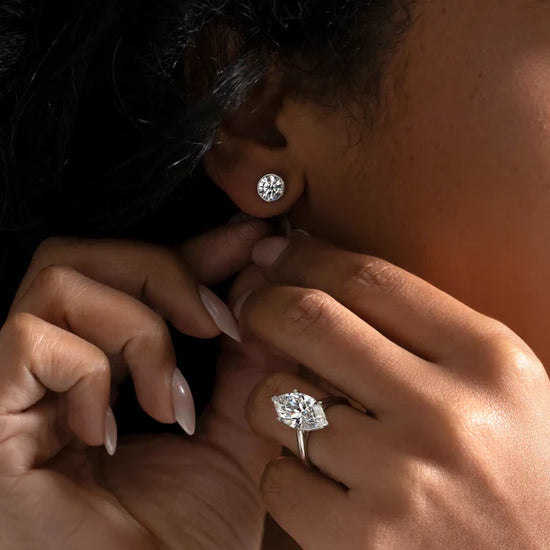
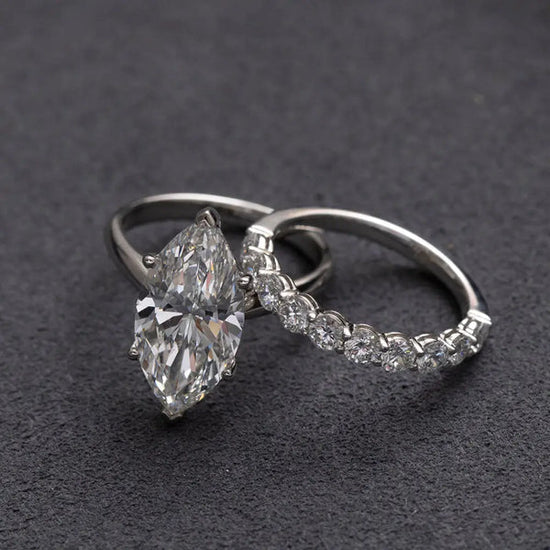
Which is why almost every white gold piece you'll ever see has been finished with a coating of rhodium, a rare, intensely bright metal from the platinum family, to give it that crisp, silvery-white appearance. So when you look at a white gold ring in a jeweller's case, you're mostly looking at rhodium. The white gold underneath is doing the structural work. The rhodium is doing the show.
This isn't a scam. It's just how white gold works. But understanding it is everything because it tells you exactly what to expect as your ring ages.
Same gold content, completely different experience.
18ct white gold and 18ct yellow gold both contain 75% pure gold. Neither is "more gold" than the other, they're equals in purity and value. The difference is in the alloy metals that make up the remaining 25%, and what that means for how they look and behave over time.
Yellow gold needs zero surface treatment. Its colour runs all the way through, consistently warm and rich, from day one to decade three. It develops a beautiful depth over time, subtle, characterful, heirloom-y. No upkeep required beyond the occasional polish if you want to restore its original shine. Yellow gold is, genuinely, a lower-maintenance metal than white gold.
White gold, on the other hand, requires rhodium plating to maintain that bright, cool-white look. As the plating wears away, and it will, more on that in a second, the warmer tone of the gold underneath starts to peek through.
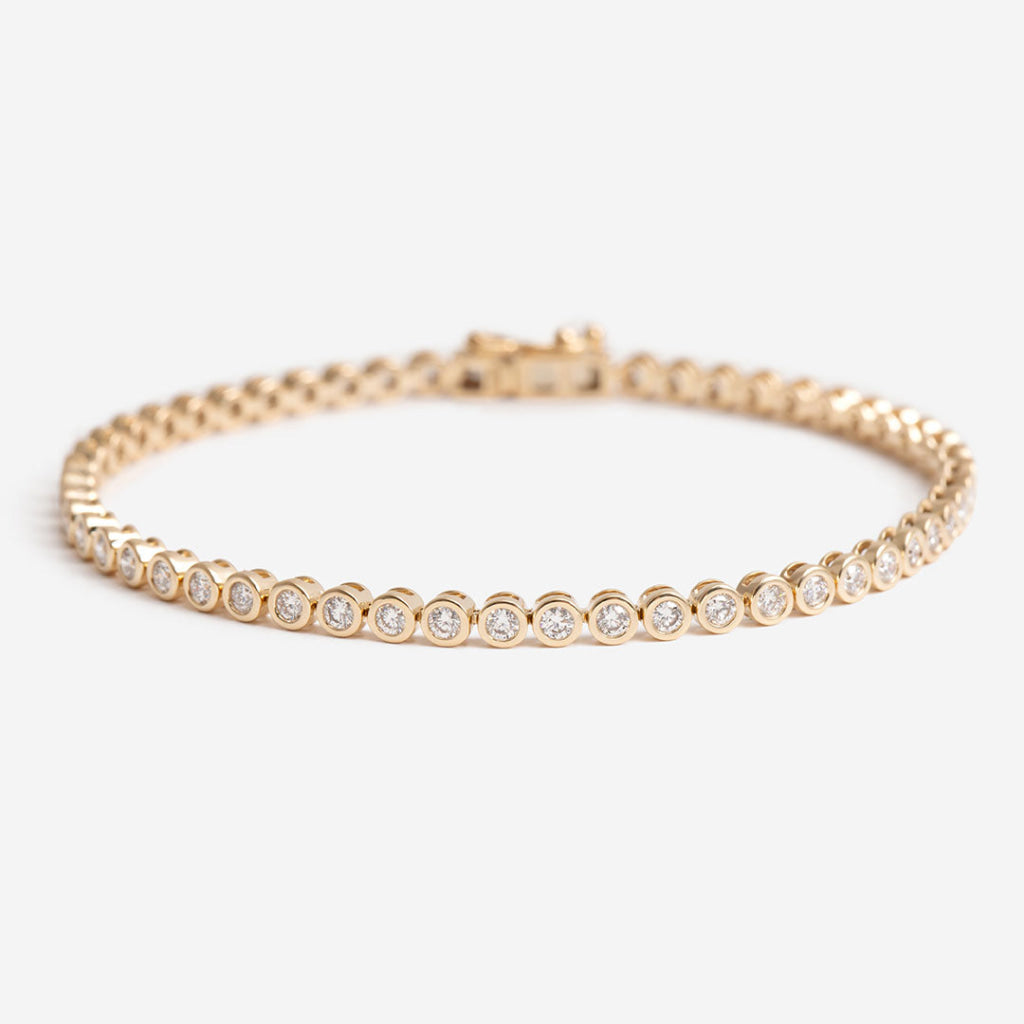
Yellow gold is also having a massive moment right now. Rich, warm, deeply flattering on most skin tones, and sitting on every cool girl's finger in 2026. If you've been defaulting to white gold out of habit, it might be worth a second look at the warm stuff.
At a glance? Nearly identical. Up close, over time? Pretty different.
Colour: Fresh rhodium-plated white gold is actually brighter than platinum. Rhodium is one of the most reflective metals on earth, and a newly plated ring is seriously stunning. Platinum has a softer, cooler, more naturally grey-white tone. Both are beautiful — just different shades of "definitely not yellow."
Weight: Platinum is denser. Noticeably so. A platinum ring and a white gold ring of the same design feel meaningfully different in the hand. Platinum has a substantial, luxurious heft that a lot of people love. Others find it takes adjustment. The only way to know which camp you're in is to try both on.
Upkeep: Here's where platinum pulls ahead for the low-maintenance crowd. Platinum doesn't fade, doesn't need replating, and develops a natural patina over time that many people find genuinely beautiful. White gold needs periodic replating to maintain its bright appearance. Not a dealbreaker — but a real difference in what owning each metal actually looks like day to day.
Price: White gold is significantly less expensive than platinum. Same ring design, meaningfully different price tag. For couples who want to put the bulk of their budget into the diamond, white gold is the obvious move.
Rhodium is a precious metal — rarer than gold, harder than platinum, and almost comically bright white. As a thin plating over white gold, it's genius. It gives white gold its crisp, white appearance and adds a layer of hardness that protects the gold underneath.
The catch: it wears off. Microscopically thin to begin with, the rhodium coating gradually thins with daily wear — especially on the areas of highest contact, like the back of the band. As it does, the warmer tone underneath starts to show through.
How quickly? It depends. Someone who never removes their ring and works with their hands might notice it within a year. Someone more careful might go three to five years. Your skin chemistry matters too — some people's natural oils wear plating faster than others.
The fix is straightforward: re-rhodium plating. Your jeweller cleans, polishes, and replates the ring, and it comes back looking exactly like new. Quick, affordable, totally worth it. We'd recommend building an annual check-in with your jeweller into your routine — replating whenever needed fits right into that visit.
Yes - with your eyes open.
White gold remains one of the most popular metals for fine jewellery in Ireland for good reason. It has a cool, contemporary look that suits modern ring designs beautifully, it flatters diamonds, and it delivers a very similar aesthetic to platinum at a significantly more accessible price. For most people, that's a pretty compelling offer.
Just know what you're signing up for: periodic replating, a little extra care around harsh chemicals, and a ring that needs some upkeep to stay looking its best. None of that is a big deal — but it's better to know going in than to be surprised two years later when your bright white ring starts looking a little warm around the edges.
Go in with that knowledge, and white gold is an absolutely beautiful, smart, and enduringly popular choice.
Come in and try things on. Seeing white gold, yellow gold, and platinum side by side, on your actual hand, in real light makes every decision easier. Our team at our Dublin City Centre showroom love talking through exactly this stuff, and there's no pressure, no jargon, just honest advice.